Pediatric Dentistry & Family Dental Services: Caring Cleanings and Vibrant Smiles for Children
Pediatric dental professionals excel at developing a relaxing access resource setting for young patients during their office visits. Their gentle cleaning techniques help alleviate concerns and encourage favorable outcomes. Family dental care plays a key purpose in supporting healthy oral care routines. Parents can model these practices, nurturing a health-focused atmosphere within the home. Understanding the nuances of pediatric care is essential for fostering lifelong habits. What particular approaches can strengthen this cooperative method?
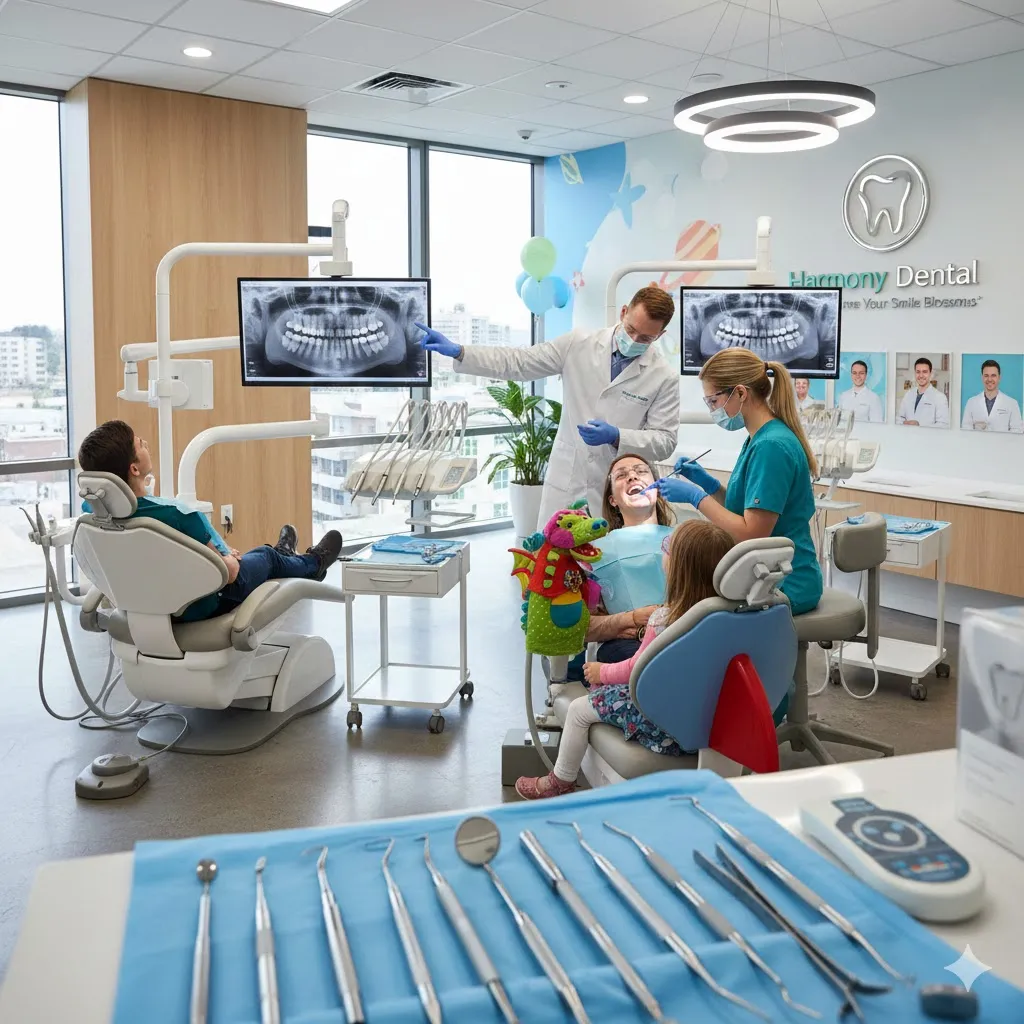
What Can You Expect at Your Child's First Dentist Appointment?
What can parents expect during their child's first dental visit? During this initial appointment, families typically encounter a friendly environment designed to ease children's concerns. The pediatric dentist will begin by introducing themselves and describing the procedure in a pleasant manner. Parents can expect a thorough examination of the child's teeth and gums, checking for any signs of decay or developmental problems.
The dentist may also review the child's dental history and talk about oral hygiene routines with the parents. Depending on the child's age and comfort level, the visit might include a gentle cleaning, though the focus remains on making the experience positive. Informative materials, such as vibrant pamphlets or fun visuals, may be provided to engage the child. Finally, this first visit aims to build a foundation for oral health and comfort in the dental setting, fostering a positive attitude toward future dental care.
Why Gentle Cleaning Methods Matter for Children
Although dental hygiene is vital for children, the approaches used during cleanings must be gentle to suit their sensitive teeth and gums. Pediatric dentists focus on gentle cleaning techniques to guarantee a positive experience for young patients. Children often feel anxious about dental visits, and a soft approach helps ease fear, fostering a trusting relationship with the dentist.
Gentle cleaning methods decrease the risk of discomfort and distress, allowing children to remain calm and cooperative. Utilizing softer brushes and less abrasive pastes decreases irritation, fostering a more effective cleaning process. Additionally, these methods can avert potential damage to delicate enamel, which is vital for long-term dental health.
Foster Lifelong Dental Habits in Your Kids
Establishing strong dental habits early on can tremendously influence a child's long-term oral health. Parents play an essential role in guiding their children toward effective dental practices. Everyday habits should include brushing teeth at least twice a day with fluoride toothpaste, which helps to strengthen enamel and prevent cavities. Flossing, ideally introduced around age six, is crucial for preserving healthy gums and removing food particles from between teeth.
Teaching children about the importance of limiting sugary snacks and drinks can also promote better choices. Regular dental check-ups should be stressed, teaching children that visiting the dentist is a routine, beneficial experience. Showing proper brushing and flossing techniques can further instill these habits, making oral care feel less like a chore and more like a fun activity. By cultivating these practices, parents can help their children develop a mindset focused on maintaining a healthy smile throughout their lives.
The Advantages of Selecting a Pediatric Dental Specialist for Your Child
Opting for a pediatric dentist offers numerous advantages that can enhance a child's dental experience and general oral health. Pediatric dentists are expertly trained to address the distinct dental needs of children, using methods and approaches tailored to younger patients. Their offices are usually designed to provide a inviting and fun environment, decreasing anxiety and fear associated with dental visits.
Moreover, pediatric dentists are excellent at communicating with children, making the experience more engaging and comfortable. They concentrate on preventive care, educating both children and parents about appropriate oral hygiene practices that can result in lifelong healthy habits. In addition, these specialists remain informed about the latest advancements in pediatric dentistry, ensuring that children receive the most beneficial treatments available.
Ways Family Dental Care Strengthens Children's Oral Health
The role of family dental care in promoting children's oral health is essential by establishing a cohesive approach to dental hygiene within the household. When families focus on regular dental examinations and cleanings, children grasp the importance of oral health from an early age. Parents function as role models, exhibiting effective brushing and flossing techniques, which children are likely to imitate.
Moreover, family dental care fosters open communication between parents and children about dental concerns, minimizing anxiety and encouraging proactive behaviors. This collaborative environment frequently leads to healthier dietary choices, as families collectively stay away from sugary snacks that can deteriorate teeth.
Additionally, incorporating dental care into family routines can help recognize and address dental issues early, stopping more serious issues down the line. On the whole, a family-centered approach not only cultivates healthy habits but also cultivates a positive attitude regarding dental visits, providing a foundation for lifelong oral health.
Frequently Asked Questions
What Age Should I Take My Child for Their First Dental Visit?
Dental experts recommend taking a child for their first dental checkup by age one or within six months after the first tooth emerges. These initial appointments create a foundation for healthy oral health and comfortable dental experiences.
How Regularly Should I Bring My Child to a Dentist?
Kids ought to see a dentist every six months for standard dental check-ups and cleanings. This frequency helps monitor dental development, addresses any potential issues early, and establishes a foundation for lifelong oral health habits.
Are Dental X-Rays Safe for Children?
Dental x-rays are generally considered safe for children when performed responsibly. Safety protocols, including lead aprons and correct procedures, reduce radiation contact. Clinicians examine specific requirements to confirm benefits surpass any potential concerns.
What Should I Do When My Child Faces a Dental Emergency?
In the event of a dental emergency, the caregiver should maintain composure, examine the circumstances, and seek immediate professional help. Using warm water to rinse the mouth and placing a cold compress can give temporary relief until professional treatment is received.
What Can I Do to Help My Child Overcome Dental Anxiety?
To assist a child overcome dental anxiety, caregivers can create a calm environment, use positive reinforcement, describe procedures in simple terms, incorporate role-play, and encourage open communication about concerns and fears.